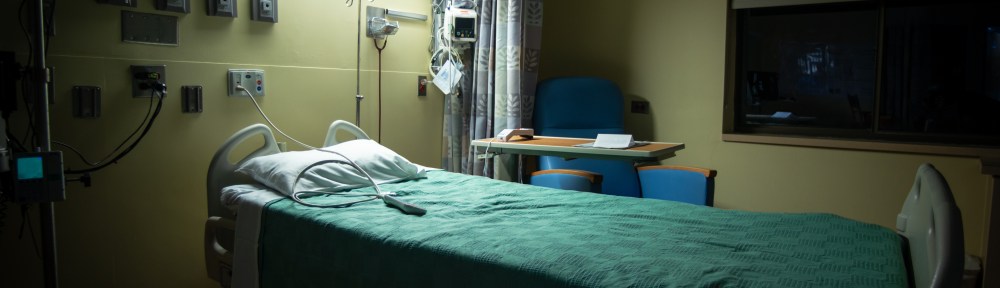
We all fear it. We are only rarely able to relieve it. Watching someone go through it is gut-wrenching. Few things feel more helpless than the suffering of a loved one. We try to stay positive and struggle to know how to help. But we rarely have what is needed. Sometimes only in suffering’s aftermath are we able to find a way to help others.
In 1983 a young man named Michael Aureli wrapped his mother, suffering terribly from ovarian cancer, in a blanket and carried her to the emergency room only to hear, “There is nothing we can do.” Her death was agonizing. After her death he determined to find a way to do more for the suffering of the terminally ill. In 1992 he co-founded Arkansas Hospice. Michael’s motto was, “when you are told, ‘there is nothing we can do,’ there is more that can be done.”
Nancy Brinker’s story was similar. When her younger sister, Susan G. Komen died at the age of 36 of breast cancer in 1980, Nancy became a tireless advocate for education and research into breast cancer and its treatment. In 1982 she founded the Susan G. Komen Breast Cancer Foundation. Her foundation was known for its iconic “pink ribbons” and its signature fundraising event, the Race for the Cure. And though controversial, it has been instrumental in raising awareness and advancing research into breast cancer treatment.
We will do almost anything to relieve the suffering of our loved ones. Mark 2 recounts a remarkable story of four men who go to extremes to help a man crippled by palsy. Jesus arrived home from his first preaching tour of Galilee, and it did not take long for word to get around that he was back. The house was soon filled with both disciples and detractors. Luke records that critics from as far away as Jerusalem were present in Jesus’ home, waiting to catch him in some condemnable heresy. As Jesus speaks to them the Word, the four men arrive carrying their friend on a mat, confident that Jesus can heal him.
It is impossible to even get to the door, let alone through it. But they will not be deterred. These are men we would want in our corner and on our side. They go up on the roof, dig through the ceiling and lower their friend in front of Jesus as he is teaching. There is no word of request, no plaintive plea from either the friends or the invalid, no apology for the damage. Before a word is spoken, we read that “Jesus saw their faith, [and] said to the paralytic, ‘Son, your sins are forgiven.’”
It was a stunning moment. The man’s suffering was much deeper than his friends knew. They knew he was bed-bound. But Jesus knew that a more debilitating, insidious, terminal condition bound this man. His suffering went far deeper than his lifeless legs. His most pressing affliction was a lifeless heart and soul. Seeing the faith of the man and his friends, Jesus speaks words we all long to hear. “Your sins are forgiven.”
Everyone’s expectations are rocked. The man is free, the friends confused, the scribes indignant. What just happened? Despite their motives, the theological instincts of the scribes are correct. “Who can forgive sins but God alone? Why does this man speak like this?” Why indeed? Who is this who speaks the word with authority, who commands evil spirits, who rebukes fever and cleanses leprosy – and who forgives sins. More is needed than healing. And Jesus is more than a healer. Much more.
Join us as we examine Mark 2:1-12 and consider our greatest need and the only one who can meet it. We meet Sundays at 10:30 am on the square in Pottsville, Arkansas right next to historic Potts’ Inn for worship. Get directions here or contact us for more info. Or join us on Facebook Live @PottsvilleARP or YouTube.
 Pottsville Associate Reformed Presbyterian Church