Copious stalks, abundant leaves, profusive flowers. Spreading like wildfire. Prolific to the point of being invasive, impossible to eradicate. But where is the fruit? Like the husbandman in Luke 13 we tended, nurtured, fertilized, pruned. Yet year after year the hedge grew into thicket and consumed our curb appeal, yet not one goji berry ever appeared.
According to WebMD,
The goji berry, also called the wolfberry, is a bright orange-red berry that comes from a shrub that’s native to China. In Asia, goji berries have been eaten for generations in the hope of living longer.
Over time, people have used goji berries to try to treat many common health problems like diabetes, high blood pressure, fever, and age-related eye problems. Goji berries, which some brand a “superfood,” are eaten raw, cooked, or dried (like raisins) and are used in herbal teas, juices, wines, and medicines.
The advertised benefits of these “super-berries” include mood stabilization, improved sleep and athletic performance, weight loss, higher antioxidant levels, and a boosted immune system. Goji berries are a significant source of Vitamin C, Fiber, Iron and Vitamin A. And they are extremely expensive.
So, we decided to grow them ourselves. Why pay for what will grow in your yard? And grow they did. The small starts we ordered exploded into hedge, then thicket. We were confident that a bumper crop was right around the corner. If they fruited with as much vigor as they grew, leafed and bloomed, we were sure that better sleep, weight loss, mood stabilization, and improved performance in the gym were imminent.
And so, we waited and watched, watched and waited, and more than watchmen wait for the morning we waited some more. But our goji plants were just that, plants. They were all show and no berry. Our google-based research quickly revealed that we were not alone in our fruitless frustration. Eventually we decided to completely dig them out and start again with something else. Yet they continue to come up and dominate our front flower garden.
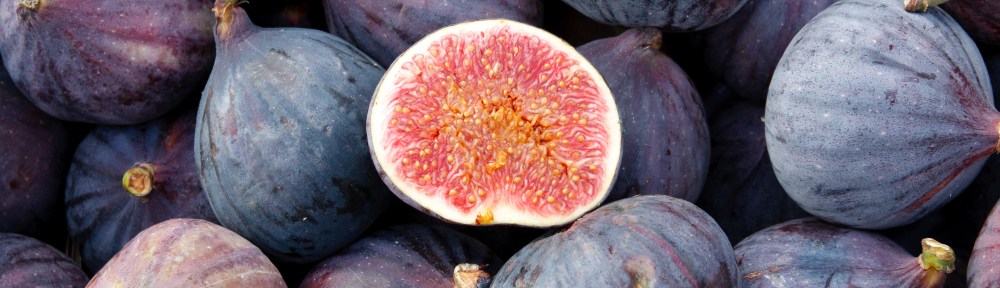
Mark 11 tells us a strange story of a fruitless fig tree. A story that has caused consternation for many believers because of Jesus unexpected response. On his way to cleanse the Temple on the Monday morning of Passion Week, Jesus left Bethany and encountered a fig tree along the road. Mark records that Jesus was hungry and that the fig tree was fully leafed out even though it was not yet the season for ripe figs. Jesus searched the tree and found nothing. Not even the early unripe figs, the paggim, often eaten green.
And so, Jesus cursed the tree, “May no one ever eat fruit from you again.” By the following morning, Peter noticed that the tree had withered to the roots. In between the curse and the fulfillment, Mark reports that Jesus cleansed the Temple and challenged the fruitless religious leadership in Israel.
What are we to make of Jesus’ actions toward the tree? This is the last miracle in Mark and the only one that is destructive, apart from the incident with the 2000 pigs. At first glance Jesus seems capricious, petty, and vindictive, so much so that the noted atheist Bertrand Russell cites this account as one principal reason for rejecting Jesus and Christianity.
So how are we to understand Jesus’ actions here? Is this a one-off for Jesus? An unhinged, angry and sinful moment in an otherwise self-controlled life? Or is this a visual parable in the tradition of the ancient prophets? Or possibly an object lesson to prepare the disciples for the cleansing of the Temple? Or a warning to followers whose spiritual lives are filled with stalks and leaves but never bear any fruit?
Join us as we examine Mark 11:12-25, the cursing of the fig tree, and the cleaning of the Temple and consider Jesus’ warning about the grave dangers of a fruitless faith. We meet Sundays at 10:30 am on the square in Pottsville, Arkansas right next to historic Potts’ Inn for worship. Get directions here or contact us for more info. Or join our livestream on YouTube.

